
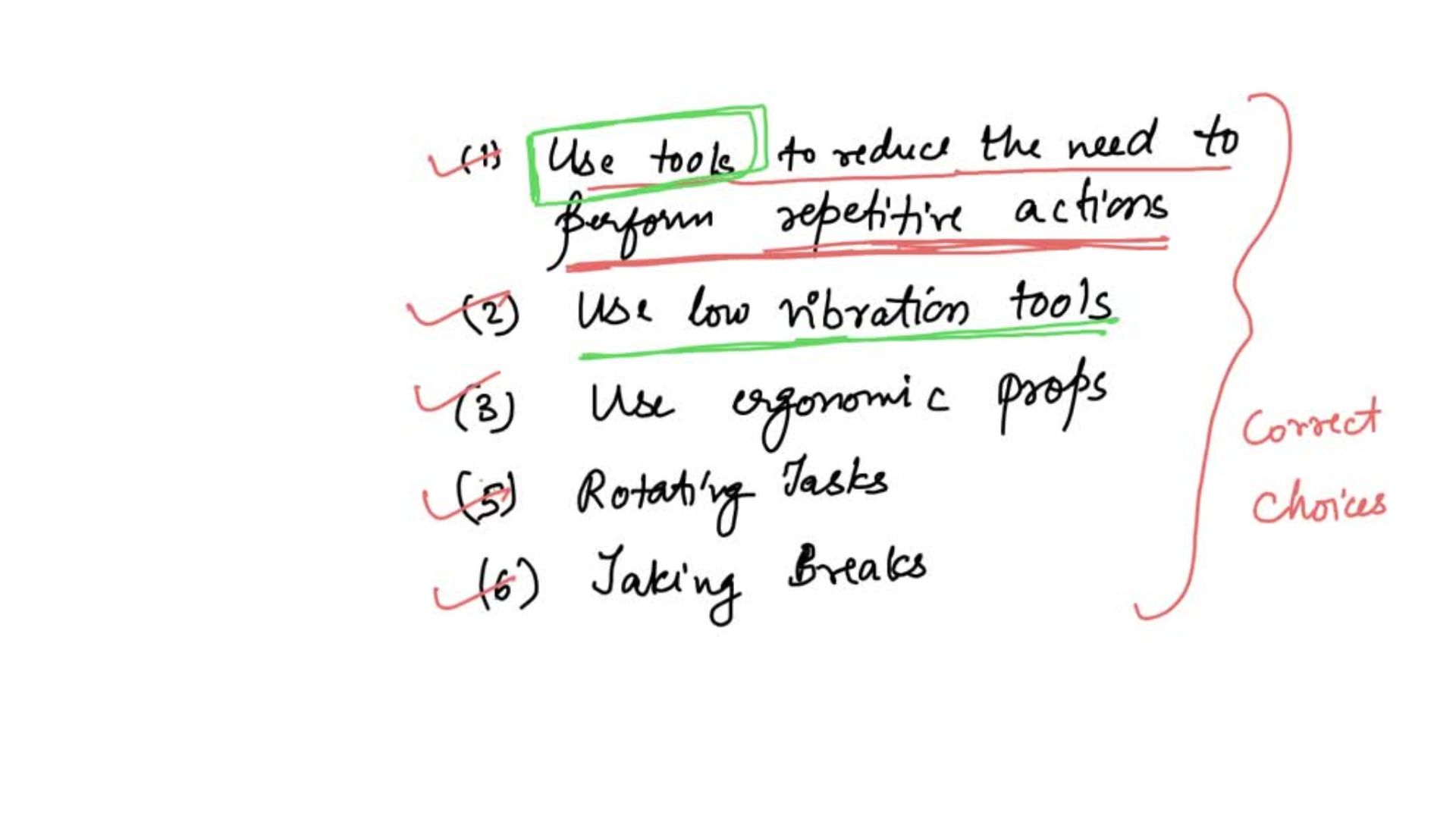
Which of the following tactics can reduce the likelihood of injury? This is a critical question for athletes, fitness enthusiasts, workers, and even individuals performing everyday tasks. Injuries not only interrupt progress but also affect physical health, mental well-being, and long-term performance. Whether you are training in the gym, playing sports, working on-site, or simply trying to stay active, understanding the right preventive strategies can dramatically lower your risk. In this comprehensive guide, you will discover science-backed techniques that help protect your body, improve resilience, and support long-term safety.
Understanding Why Injuries Happen in the First Place
Before exploring prevention methods, it is important to understand the root causes of physical injuries. Most incidents occur due to a combination of overuse, poor technique, lack of preparation, muscle imbalances, fatigue, or unsafe environments. Sometimes people push beyond their body’s limits without proper conditioning. In other cases, inadequate equipment or distractions lead to accidents.
The human body is designed for movement, but it requires balance, recovery, and gradual progression. When these elements are ignored, tissues such as muscles, ligaments, and joints become vulnerable. Recognizing early warning signs like persistent soreness, stiffness, or instability is often the first step toward prevention.
Which of the Following Tactics Can Reduce the Likelihood of Injury? Key Prevention Principles
When evaluating which of the following tactics can reduce the likelihood of injury?, the answer is rarely limited to one single method. Effective injury prevention combines preparation, smart training habits, and environmental awareness.
One of the most impactful strategies is proper warm-up and mobility work. Preparing the body before physical activity increases blood flow, enhances joint range of motion, and activates essential muscle groups. Dynamic movements such as light jogging, arm circles, hip rotations, and bodyweight squats help prime the nervous system for more intense effort.
Another highly effective tactic is progressive overload done correctly. Gradually increasing intensity, duration, or resistance allows tissues to adapt safely. Sudden spikes in workload are among the leading causes of strains and stress-related injuries. Controlled progression supports strength gains while minimizing unnecessary stress.
Using proper technique is equally critical. Whether lifting weights, running, or performing repetitive tasks at work, form determines how forces are distributed throughout the body. Poor mechanics shift strain onto vulnerable structures, increasing the chance of damage over time.
The Role of Strength Training in Injury Prevention
Strength training is often misunderstood as something that causes harm, but when performed properly, it actually reduces risk. Strong muscles act as shock absorbers for joints and connective tissues. They stabilize movement patterns and protect areas such as the knees, shoulders, and lower back.
Balanced resistance training also corrects muscular imbalances. Many people have dominant muscles that overpower weaker stabilizers. For example, tight hip flexors combined with weak glutes can lead to lower back discomfort. Addressing these weaknesses through targeted exercises improves alignment and movement efficiency.
Core stability deserves special attention. A strong midsection supports the spine during lifting, twisting, and athletic actions. When core muscles are underdeveloped, other structures compensate, leading to strain and eventual injury.
Flexibility and Mobility: Why They Matter More Than You Think
Flexibility alone does not guarantee safety, but limited mobility significantly increases vulnerability. Tight muscles restrict natural movement patterns, forcing joints into compromised positions. Over time, this creates excessive stress on tendons and ligaments.
Incorporating regular stretching and mobility drills maintains joint health and functional range of motion. Dynamic stretches before activity and static stretching after workouts form a balanced approach. Foam rolling and myofascial release can further improve tissue quality and circulation. If you are wondering which of the following tactics can reduce the likelihood of injury?, consistent mobility training is one of the most effective and practical strategies.
It is important, however, to avoid overstretching unstable joints. Mobility work should enhance control, not reduce it. The goal is balanced flexibility supported by strength.
Rest and Recovery: The Overlooked Secret
One of the most underrated answers to which of the following tactics can reduce the likelihood of injury? lies in proper recovery. Many individuals focus heavily on training intensity while neglecting rest. Muscles repair and grow stronger during recovery periods, not during workouts themselves.
Insufficient sleep impairs tissue repair, reaction time, and cognitive awareness. Fatigue reduces coordination and increases the likelihood of missteps or technical errors. Adults should prioritize consistent, high-quality sleep as a foundational health habit.
Active recovery methods such as light walking, swimming, or yoga promote circulation without excessive strain. Scheduled rest days prevent chronic overuse conditions that often develop silently over time.
The Importance of Proper Equipment and Environment
Environmental factors play a major role in physical safety. Wearing appropriate footwear for your specific activity ensures proper support and shock absorption. For athletes, sport-specific protective gear significantly reduces impact-related injuries.
Here is your paragraph with the keyword added naturally one time:
Workplace safety equipment such as helmets, gloves, and harnesses should never be overlooked. Even small precautions can prevent serious incidents. Maintaining clean, organized surroundings also reduces hazards like slips, trips, and falls. If you are asking which of the following tactics can reduce the likelihood of injury?, prioritizing proper safety gear and maintaining an organized work environment are among the most effective measures.
Lighting, temperature, and surface stability are additional considerations. Training on uneven ground or slippery floors dramatically increases risk. Simple environmental adjustments can make a meaningful difference.
Listening to Your Body’s Signals
Pain is not always a sign to push harder. Persistent discomfort, swelling, or reduced mobility are warning signals. Ignoring early symptoms often transforms minor issues into major setbacks.
Monitoring workload and tracking how your body responds to stress can help you make smarter adjustments. Deload weeks, modified exercises, or temporary rest periods can prevent escalation.
Mental focus also influences physical safety. Distractions during training or work reduce awareness and coordination. Staying present during movement improves reaction time and precision.
Nutrition and Hydration as Protective Factors
Nutrition fuels performance and recovery. Inadequate protein intake limits muscle repair, while deficiencies in vitamins and minerals can weaken bones and connective tissues. Calcium, vitamin D, and magnesium support skeletal health, while adequate protein strengthens muscles.
Hydration affects muscle function and coordination. Even mild dehydration can impair performance and increase cramping risk. Consistent fluid intake supports circulation and tissue elasticity.
A balanced diet rich in whole foods enhances the body’s ability to handle stress and adapt to training demands.
Gradual Skill Development and Technique Mastery
Rushing into advanced skills without mastering fundamentals often leads to avoidable injuries. Beginners should prioritize technique learning before increasing speed or load. Coaches and qualified trainers can provide valuable feedback to correct form errors early.
Video analysis, slow progression, and repetition build neuromuscular coordination. Over time, efficient movement becomes automatic, reducing strain on vulnerable areas.
Athletes in high-impact sports benefit particularly from structured skill development programs. Controlled drills strengthen patterns that protect joints during real-game scenarios.
Psychological Preparedness and Risk Awareness
Confidence and mental clarity contribute to physical safety. Anxiety or hesitation can disrupt coordination. On the other hand, overconfidence may lead to reckless decisions.
Developing situational awareness helps individuals anticipate potential hazards. In sports, this includes reading the environment and reacting strategically. In the workplace, it involves identifying unsafe conditions before accidents occur.
Stress management techniques such as breathing exercises and mindfulness can improve focus and decision-making under pressure.
Long-Term Lifestyle Habits That Protect the Body
Sustainable health habits provide cumulative protective benefits. Maintaining a healthy body weight reduces stress on joints, particularly the knees and hips. Regular low-impact activities like walking or swimming keep the cardiovascular system strong without excessive strain.
Posture awareness during daily activities also matters. Poor sitting or lifting posture contributes to chronic back and neck issues. Small corrections in daily routines often prevent larger problems in the future.
Consistency is key. Prevention is not a one-time action but a long-term commitment to smart habits.
Bringing It All Together
If you are still wondering which of the following tactics can reduce the likelihood of injury?, the most accurate answer is a combination of intelligent preparation, progressive training, adequate recovery, proper equipment, balanced nutrition, and mindful awareness. No single tactic works in isolation. The safest approach integrates multiple strategies into a cohesive routine.
Injury prevention is not about avoiding activity; it is about moving smarter. By warming up properly, strengthening supportive muscles, maintaining mobility, prioritizing rest, and staying attentive to your environment, you create a strong foundation for sustainable performance.
Ultimately, protecting your body allows you to train consistently, work efficiently, and enjoy life without unnecessary setbacks. Taking preventive action today can save months of recovery tomorrow. The choice to move wisely is one of the most powerful investments you can make in your long-term health and success.
Conclusion
In conclusion, understanding which of the following tactics can reduce the likelihood of injury empowers you to train and live more safely. Smart preparation, proper technique, balanced strength, quality recovery, and mindful awareness work together to protect your body. When you prioritize prevention over quick results, you build resilience, improve performance, and ensure long-term physical well-being.
You may like: Sony State of Play Reveals Exciting Surprises and Bold New Games