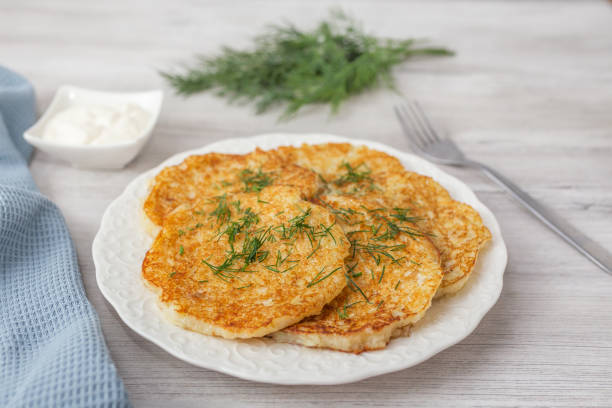
Potato pancakes are one of those dishes that feel instantly familiar, no matter where you are in the world. Crispy, golden, and deeply comforting, they transform simple ingredients into something satisfying and memorable. A well-made potato pancake can work as a breakfast item, a side dish, or even the star of a main meal. Learning a reliable potato pancake recipe is a valuable skill for any home cook, especially because it requires no expensive ingredients or advanced techniques.
This article explores everything you need to know about creating the perfect potato pancake recipe, from ingredient selection to preparation tips, variations, and serving ideas. Each section is written originally and designed to help you understand not just how to cook potato pancakes, but why each step matters.
The Origins of Potato Pancakes
Potato pancakes have a long and varied history that spans continents and cultures. In Eastern Europe, they became popular because potatoes were affordable, filling, and easy to grow. Families relied on them during colder months when fresh produce was scarce. In Jewish cuisine, potato pancakes—often called latkes—are traditionally eaten during Hanukkah, fried in oil to symbolize the miracle of the oil lasting eight days.
Although names and small details differ from country to country, the heart of every potato pancake recipe remains the same: grated potatoes combined with a few binding ingredients and cooked until crisp. This simplicity is what allowed the dish to survive for generations and adapt to different tastes and traditions.
Why Potato Pancakes Are Still Popular Today
The enduring popularity of potato pancakes comes down to three things: taste, texture, and versatility. A good potato pancake recipe produces a crispy outer layer with a soft, tender center. That contrast alone makes them irresistible.
Beyond texture, potato pancakes are highly adaptable. They can be made savory or slightly sweet, served plain or dressed up with toppings, and paired with nearly any meal. They also suit a wide range of diets with small adjustments, which makes them relevant even in modern kitchens.
Choosing the Best Potatoes for Your Recipe
The success of any potato pancake recipe starts with the potatoes themselves. Not all potatoes behave the same when cooked, so choosing the right type is important.
Starchy potatoes, such as russet potatoes, are the best choice. They contain less moisture and more starch, which helps the pancakes hold together and crisp properly. Yukon Gold potatoes are another good option if you prefer a slightly creamier texture, though they may produce a softer pancake.
Waxy potatoes, like red or new potatoes, are not ideal because they hold too much moisture and tend to result in pancakes that are dense or soggy rather than crisp.
Essential Ingredients in a Potato Pancake Recipe
A traditional potato pancake recipe relies on a small number of ingredients, each serving a clear purpose. Potatoes provide the structure, while onions add depth and aroma. Eggs act as a binder, helping the pancakes stay intact during frying. Flour or starch absorbs excess moisture and improves texture, and salt and pepper enhance the natural flavors.
Because the ingredient list is short, quality and balance matter. Too much flour can make the pancakes heavy, while too little can cause them to fall apart. A good potato pancake recipe finds the right balance between moisture and structure.
Step-by-Step Potato Pancake Recipe
This classic potato pancake recipe is designed to produce consistent, crispy results without unnecessary complexity.
Ingredients:
Four large russet potatoes, peeled
One medium onion
Two large eggs
Three tablespoons all-purpose flour
One teaspoon salt
Half a teaspoon black pepper
Vegetable oil for frying
Instructions:
Begin by grating the potatoes and onion using a box grater or food processor. Place the grated mixture into a clean kitchen towel or cheesecloth and squeeze firmly to remove as much liquid as possible. This step is essential for crisp pancakes.
Transfer the drained mixture to a mixing bowl. Add the eggs, flour, salt, and pepper, and mix until just combined. Heat a generous amount of oil in a skillet over medium-high heat. Once the oil is hot, spoon portions of the mixture into the pan and gently flatten them.
Cook for three to four minutes on each side until golden brown and crisp. Remove the pancakes from the skillet and place them on paper towels to drain excess oil. Serve immediately for the best texture.
This potato pancake recipe is simple, reliable, and easy to adapt.
Tips for Achieving Extra Crispiness
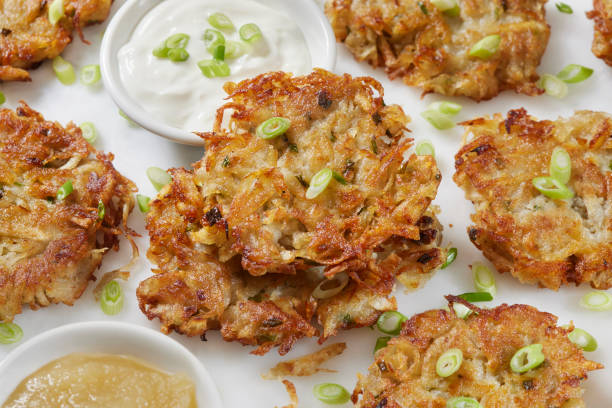
Crispiness is often the goal when following a potato pancake recipe, and a few small details make a big difference. Removing moisture from the grated potatoes is the most important step. Even a small amount of excess liquid can prevent proper browning.
Oil temperature also matters. If the oil is too cool, the pancakes will absorb it and become greasy. If it is too hot, the outside may burn before the inside cooks through. Cooking in batches helps maintain even heat and ensures consistent results.
Avoid pressing the pancakes too thin, as this can dry them out. Let them cook undisturbed before flipping so a firm crust can develop.
Popular Variations on the Classic Recipe
One of the strengths of a potato pancake recipe is how easily it can be customized. Once you master the basic version, you can experiment with additional ingredients.
Adding garlic, chopped herbs, or grated cheese creates a richer, more savory pancake. Mixing in vegetables like zucchini or carrots adds color and nutrition. For a gluten-free version, flour can be replaced with potato starch or cornstarch without sacrificing texture.
Sweet potato pancakes are another popular variation. By replacing regular potatoes with sweet potatoes and adjusting the seasoning, you can create a slightly sweeter version that pairs well with yogurt or fruit-based toppings.
Serving Suggestions and Toppings
A potato pancake recipe is only part of the experience; how you serve the pancakes matters just as much. Traditional toppings include sour cream and applesauce, which balance the richness of the fried pancakes.
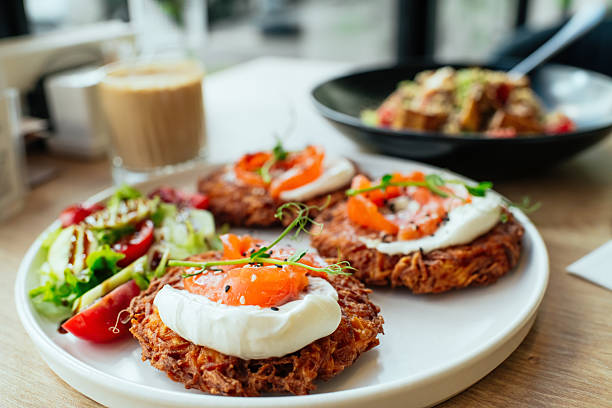
Modern serving ideas include topping potato pancakes with smoked salmon, avocado, or a poached egg. They can also be served alongside roasted vegetables or salads to create a complete meal. Because the base flavor is mild, potato pancakes pair well with a wide range of accompaniments.
Common Mistakes to Avoid
Even a straightforward potato pancake recipe can go wrong if a few key steps are overlooked. Failing to drain the potatoes thoroughly is the most common mistake. Using too much flour can lead to dense, doughy pancakes, while under-seasoning can make them bland.
Another mistake is overcrowding the pan, which lowers the oil temperature and prevents proper crisping.
Storing and Reheating Potato Pancakes
Potato pancakes are best enjoyed fresh, but they can be stored for later. Leftover pancakes should be cooled completely and stored in an airtight container in the refrigerator for up to three days.
To reheat, avoid the microwave, as it softens the texture. Instead, reheat the pancakes in a skillet or oven to restore crispiness. A well-prepared potato pancake recipe holds up surprisingly well when reheated correctly.
Final Thoughts on Mastering a Potato Pancake Recipe
Learning a dependable potato pancake recipe is about more than following instructions. It is about understanding ingredients, technique, and balance. With the right potatoes, good moisture control, and proper frying, pancakes that are crisp, flavorful, and satisfying can be coonsistently produced..
Whether you prepare them for a special occasion or a simple home-cooked meal, potato pancakes remain a timeless dish. This original guide gives you the foundation to make them confidently and adapt the recipe to suit your personal taste.