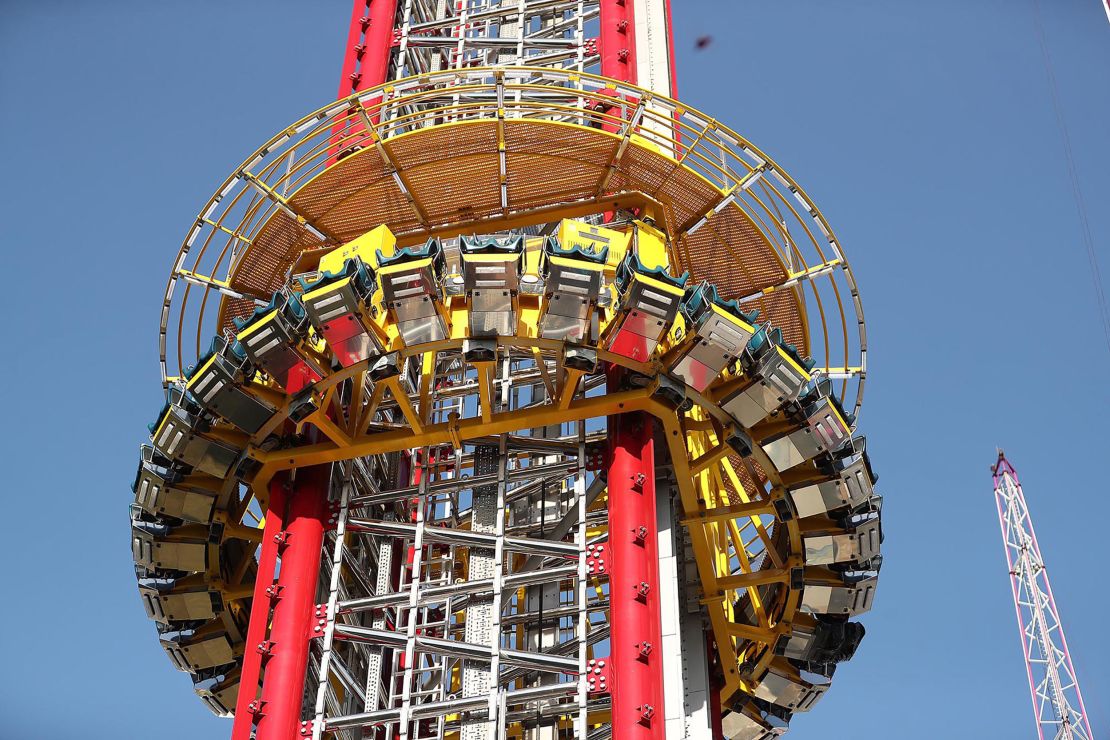
Orlando Free Fall remains one of the most discussed amusement ride tragedies in recent years, leaving a permanent mark on theme park safety conversations worldwide. The towering attraction, once promoted as one of the tallest drop towers in the world, became the center of global attention after a fatal accident raised urgent questions about ride engineering, operational oversight, and regulatory standards. Even in 2026, people continue searching for answers—not just about what happened, but about how the industry changed afterward.
Thrill rides are designed to deliver controlled fear in a safe environment. Millions of visitors trust that every harness, sensor, and safety protocol has been carefully tested. When that trust breaks, the emotional impact extends far beyond one location. The tragedy surrounding this drop tower transformed public perception of amusement ride security across the United States and beyond.
The Rise Of Extreme Drop Towers In Modern Theme Parks
Over the last two decades, amusement parks have competed to build taller, faster, and more dramatic attractions. From record-breaking roller coasters in Ohio to gravity-defying towers in the Middle East, vertical drop rides became symbols of innovation.
The concept is simple but powerful. Riders ascend slowly to a towering height, suspense builds, and then a sudden controlled descent creates an intense adrenaline rush. The experience lasts only seconds, but the anticipation makes it unforgettable.
The Orlando Free Fall attraction stood over 400 feet tall, marketed as one of the tallest free-standing drop towers in the world at the time of its operation. Its height and speed made it a headline attraction, drawing thrill-seekers from across North America and international tourists alike.
But innovation in height and speed must always be matched by precision in safety.
Orlando Free Fall Drop Tower: Engineering And Design Overview
Orlando Free Fall drop tower technology relied on magnetic braking systems, seat restraint mechanisms, and computerized monitoring sensors designed to ensure safe descent. Modern drop towers use redundant systems, meaning multiple layers of protection operate simultaneously.
Magnetic brakes are especially significant. Unlike mechanical brakes that rely on friction, magnetic systems use opposing magnetic fields to slow descent smoothly and consistently. This design reduces wear and tear while increasing reliability.
However, ride safety depends not only on braking technology but also on restraint calibration. Adjustable seat harnesses must lock securely based on rider size and weight distribution. Even a minor miscalculation can create dangerous conditions.
In 2026, engineers continue to analyze the mechanical and human factors that contributed to the tragedy associated with this attraction.
Orlando Free Fall Ride Death: What Happened
Orlando Free Fall ride death reports emerged in March 2022 when a 14-year-old visitor tragically fell from the ride during operation. The incident shocked families worldwide and prompted immediate investigation by Florida authorities.
Preliminary findings indicated that the restraint system had been manually adjusted beyond manufacturer specifications. Investigators later revealed that seat sensors had been recalibrated to allow a wider range of harness positions.
That modification, according to official reports, compromised the safety margin intended by the original engineering design.
The ride was permanently closed following the investigation.
This event did not simply represent a mechanical failure. It exposed systemic issues related to oversight, compliance, and operator responsibility.
Orlando Free Fall Incident: Global Reaction And Industry Response
Orlando Free Fall incident coverage dominated international news cycles. Media outlets in Europe, Canada, and Asia reported extensively on the safety review process.
Public reaction was immediate and emotional. Parents questioned whether extreme attractions had pushed boundaries too far. Advocacy groups called for stricter inspection standards. Legal proceedings followed.
In response, Florida lawmakers proposed enhanced safety regulations, including increased inspection frequency and clearer documentation requirements for ride modifications.
Theme park operators across the United States conducted internal audits. Many attractions underwent precautionary review, even if unrelated to drop tower technology.
The tragedy became a catalyst for broader reform discussions within the amusement industry.
Orlando Free Fall Death: Legal And Regulatory Aftermath
Orlando Free Fall death investigations concluded that unauthorized adjustments to the restraint sensor system contributed significantly to the fatal fall. Civil lawsuits were filed against the ride manufacturer and the operating company.
In 2023 and 2024, settlements and regulatory changes reinforced the importance of compliance with manufacturer specifications.
By 2026, safety auditing procedures in Florida have become more rigorous. Documentation transparency has improved, and third-party inspections now play a stronger role in ride certification.
The case also sparked conversations about minimum rider size, weight considerations, and adaptive harness design improvements.
While no reform can undo tragedy, industry-wide awareness has intensified.
Comparing Drop Tower Safety With Roller Coasters
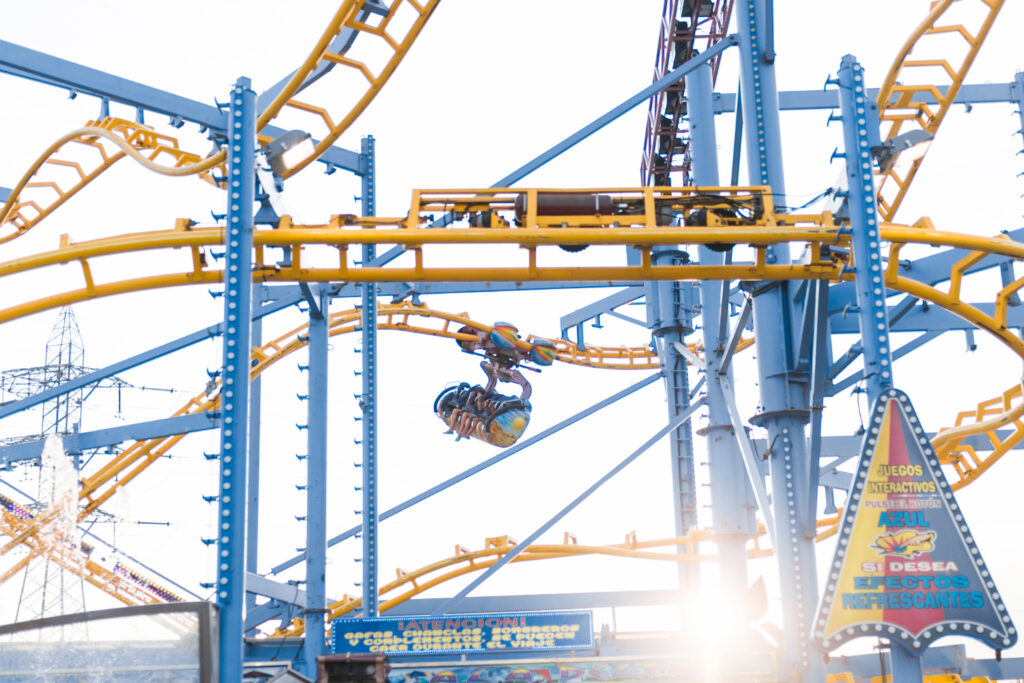
It is important to place this event within broader statistical context. Roller coasters and drop towers both operate under strict engineering standards. Historically, major theme park rides maintain extremely high safety records compared to everyday transportation methods.
For example, millions of people ride roller coasters annually in parks like Cedar Point and Six Flags locations without serious incident. Drop towers, while visually intimidating, rely on straightforward vertical motion systems with fewer track variables than coasters.
However, the Orlando Free Fall case demonstrated that even simple ride mechanics require strict adherence to safety specifications. The difference between safe and unsafe operation often lies in procedural compliance rather than core design flaws.
Real Story: A Family’s Perspective
In 2025, during a theme park safety forum in California, a parent shared how the tragedy changed their family’s approach to thrill rides. They explained that before boarding any attraction, they now observe operator procedures closely, ensure harnesses are securely locked, and confirm posted height requirements.
This story reflects a broader behavioral shift. Visitors have become more attentive, and parks have responded by emphasizing visible safety checks to restore public trust.
Transparency builds confidence.
How The Industry Has Evolved By 2026
By 2026, technology integration has expanded significantly. Advanced ride systems now include AI-based monitoring capable of detecting abnormal restraint positions in real time.
Digital audit trails track every calibration adjustment. Tamper alerts notify supervisors if any sensor is modified outside approved limits.
Training programs for operators have also expanded. Certification now often includes simulation-based safety drills to prepare staff for unusual scenarios.
These improvements demonstrate that while the Orlando Free Fall tragedy exposed vulnerabilities, it also accelerated innovation.
Psychological Impact On Theme Park Enthusiasts
Fear after high-profile accidents is natural. Attendance data briefly declined at certain regional parks in 2022. However, by late 2023, visitor numbers rebounded.
Thrill seekers continue pursuing high-adrenaline experiences, but they demand reassurance. Parks now highlight inspection certifications in marketing materials.
The emotional memory of the incident remains, yet it has strengthened public awareness rather than eliminating enthusiasm for amusement attractions.

Ethical Responsibility In Extreme Ride Marketing
Modern marketing often emphasizes record-breaking heights and speeds. While excitement drives ticket sales, ethical promotion must balance thrill with transparency.
Responsible operators now focus on safety credentials as much as performance statistics.
The lesson is clear: innovation must never outpace oversight.
Strong Conclusion: Remembering The Lesson, Strengthening The Future
Orlando Free Fall stands as a heartbreaking reminder that even advanced engineering cannot substitute for strict compliance and operational discipline. The tragedy reshaped safety standards, intensified regulatory review, and pushed the amusement industry toward smarter monitoring technologies.
In 2026, theme park safety systems are stronger because of the painful lessons learned. Visitors today benefit from enhanced inspections, improved digital monitoring, and clearer regulatory oversight.
The global conversation sparked by this event has made thrill attractions safer worldwide.
Trust is fragile. Accountability restores it.
By remembering what happened and continuing to improve, the industry honors those affected and protects future generations of riders.
FAQS
What Was The Orlando Free Fall Ride?
It was a record-breaking drop tower attraction in Orlando, Florida, designed to lift riders over 400 feet before releasing them in a controlled vertical descent.
What Caused The Orlando Free Fall Death?
Investigations found that restraint sensor adjustments beyond manufacturer specifications contributed to unsafe conditions.
Is Drop Tower Technology Safe In 2026?
Modern drop towers incorporate redundant braking systems, improved sensor monitoring, and stricter inspection standards to enhance safety.
Has The Ride Reopened?
The attraction was permanently closed following the investigation and regulatory review process.
What Changed After The Incident?
Regulatory oversight increased, inspection requirements strengthened, and ride calibration documentation became more transparent across the industry.
Also Read: Master Math Playground Drift Boss: Ultimate High Score Guide