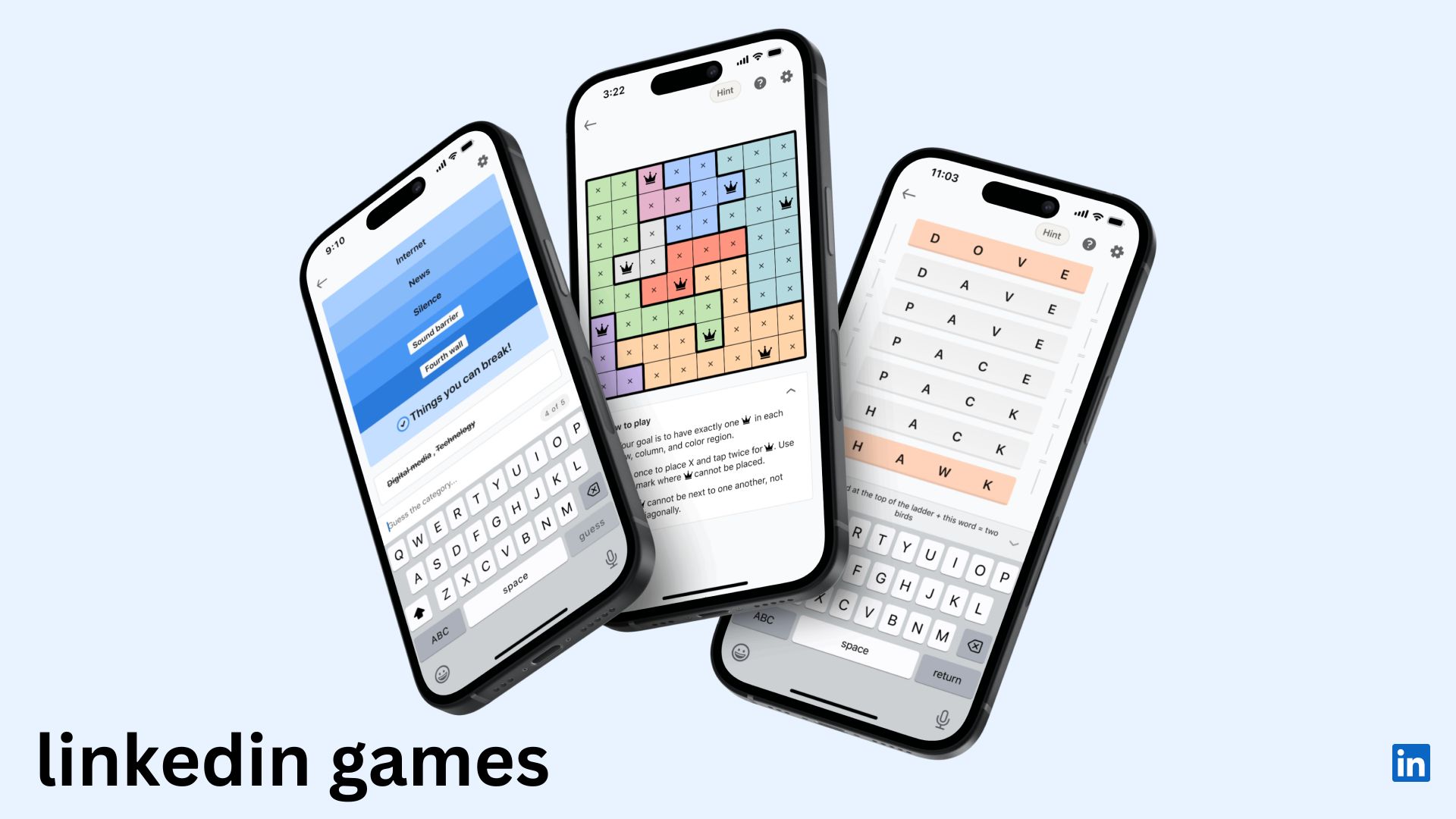
The recent introduction of LinkedIn games has completely transformed how professionals interact on the world’s largest networking platform, proving that even the most serious corporate environments benefit from a bit of mental stimulation. While many users initially viewed the addition of puzzles as an unusual move for a site dedicated to resumes and recruiters, these daily challenges have quickly become a cornerstone of the platform’s community-building efforts. By integrating short, cognitive exercises into the feed, the platform is effectively reducing digital fatigue and giving colleagues a fresh, low-pressure way to stay connected throughout the busy work week.
The Evolution of Professional Networking in the Digital Era
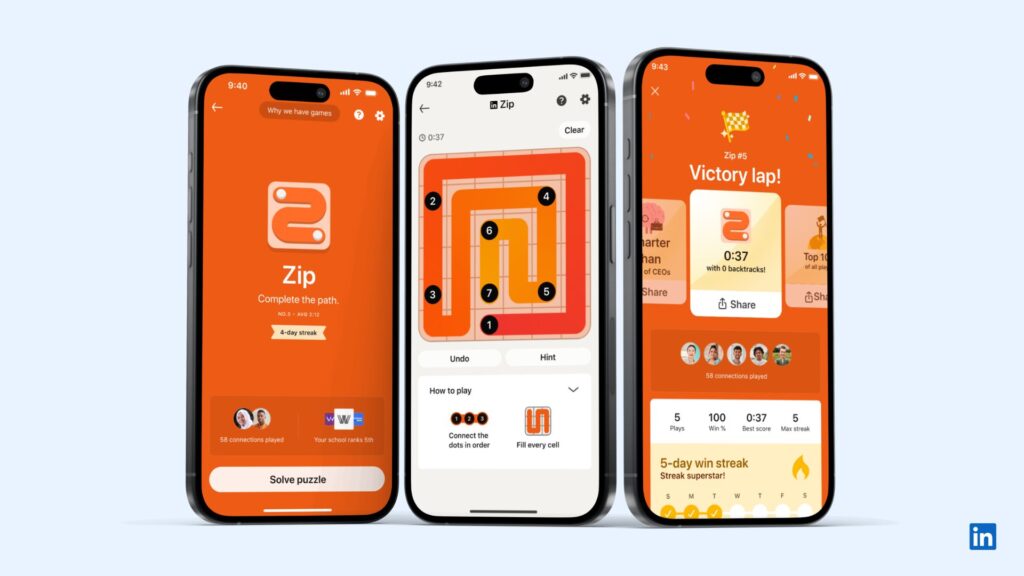
For over two decades, the primary goal of professional networking was strictly utilitarian. Users logged in to update their job history, share industry news, or search for their next career move. However, the digital landscape is shifting toward a model that prioritizes authentic human connection over transactional interactions. This shift explains why short, brain-teasing puzzles have found such a successful home among CEOs and entry-level employees alike. These activities serve as a digital “water cooler,” allowing people to engage in a shared experience that has nothing to do with meeting deadlines or hitting quarterly sales targets.
The psychological appeal of these short-form challenges is rooted in the concept of “micro-breaks.” Research into workplace productivity suggests that brief periods of cognitive diversion can actually improve focus and creativity when returning to primary tasks. By providing a built-in mechanism for these breaks, the platform is no longer just a place to find work; it has become a place to refresh the mind during work. This keeps users on the site longer and creates a more vibrant, active ecosystem where people feel comfortable sharing more than just their professional achievements.
How LinkedIn Games Are Redefining Team Building and Culture
One of the most fascinating outcomes of this new feature is how it has permeated internal company cultures. It is not uncommon now to see entire departments sharing their daily scores or competing in friendly leaderboards. This gamification of the professional experience helps break down hierarchical barriers, as a junior designer might find themselves outperforming the Chief Operating Officer in a logic puzzle. These moments of levity build rapport and foster a sense of belonging that is often difficult to cultivate in remote or hybrid work environments.
Furthermore, these challenges provide a safe space for “passive networking.” Not everyone feels comfortable writing long-form articles or commenting on complex industry debates. For the more introverted professional, sharing a puzzle result is an easy way to remain visible in the feeds of their connections without the pressure of generating original content. It is a subtle signal that says, “I am here, I am active, and I am engaged with the community,” which can be just as effective for long-term career growth as a direct message or a formal recommendation.
The Cognitive Science Behind Daily Mental Challenges
The specific types of puzzles chosen for the platform are not accidental. They are designed to stimulate logic, pattern recognition, and linguistic skills—all of which are highly valued in the professional world. Engaging in these tasks daily can help sharpen the mind, improving problem-solving abilities that translate directly back to one’s career. When users participate in LinkedIn games, they are participating in a global exercise of cognitive agility that rewards consistency and incremental improvement.
From a neurological perspective, completing a daily puzzle releases a small burst of dopamine, the “reward” chemical in the brain. When this positive reinforcement is associated with a professional platform, it creates a more favorable perception of the brand and the networking process as a whole. Instead of viewing social media as a source of stress or “doom-scrolling,” users begin to see their time spent on the site as a productive and rewarding part of their morning routine. This psychological shift is a powerful tool for maintaining a healthy and motivated workforce.
The Impact on User Retention and Platform Loyalty
The decision to diversify the user experience with interactive elements is a masterclass in platform stickiness. By giving users a reason to visit every single day—regardless of whether they are looking for a job—the platform ensures it remains an essential part of the professional’s daily toolkit. This consistency is what separates a “utility” from a “community.” When people feel like they belong to a community that offers value beyond just job listings, they are much less likely to migrate to competing platforms.
This strategy also addresses the problem of “platform burnout.” Many users feel overwhelmed by the constant stream of “hustle culture” and “thought leadership” posts. The introduction of these playful elements provides a necessary counterbalance. It reminds us that work, while important, can also include moments of joy and shared intellectual curiosity. This balance is key to creating a sustainable social network that users actually enjoy visiting, rather than one they feel obligated to check.
Integrating Play into the Professional Workflow
Modern management theories are increasingly emphasizing the importance of “play” in the workplace. Companies like Google and 3M have long encouraged employees to spend a portion of their time on creative, non-essential projects. While most small to mid-sized businesses may not have the resources for such programs, the availability of high-quality mental exercises on a platform everyone already uses levels the playing field. It allows any professional, regardless of their company’s size, to incorporate a moment of structured play into their schedule.
This integration of play also helps in reducing the stigma around taking breaks. When a manager sees their team engaging with these puzzles, it reinforces the idea that it is okay to step away from the spreadsheets for five minutes to clear the head. This leads to a healthier office culture where mental well-being is prioritized. The ripple effects of this can lead to lower turnover rates, higher employee satisfaction, and a more innovative atmosphere where people aren’t afraid to think outside the box.
Future Trends in Social Professional Gamification
Looking ahead, we can expect to see even deeper integration of interactive elements within the professional sphere. The success of the current offerings suggests that there is a massive appetite for content that is both educational and entertaining. We might see the rise of collaborative puzzles where entire networks have to work together to solve a problem, or industry-specific challenges that test specialized knowledge in a fun, low-stakes format. The potential for professional growth through gamified learning is virtually limitless.
As the lines between work and life continue to blur, the platforms that succeed will be those that provide a holistic experience. They will be the ones that support our careers, our connections, and our cognitive health all at once. The current trend is just the beginning of a larger movement toward a more human-centric digital workspace. By embracing these changes, professionals can find new ways to connect and grow that were previously unimagined in the traditional corporate world.
Maximizing the Value of Your Professional Interactions
To get the most out of these new features, users should approach them with a blend of curiosity and strategic intent. Don’t just play the puzzles in isolation; use them as a conversation starter. If you see a connection has posted a particularly impressive score, send them a quick message of congratulations. It is an easy, non-intimidating way to reopen a line of communication that may have gone cold. These small touchpoints are the building blocks of a strong, resilient professional network.
Remember that the ultimate goal of any activity on the platform is to strengthen your professional relationships. Whether you are sharing a high-stakes industry insight or a high score on a logic puzzle, the core objective remains the same: to be a helpful, engaged, and visible member of your community. By participating in this new wave of digital interaction, you are positioning yourself as a modern professional who understands the value of balance, community, and continuous mental improvement.
Strengthening the Bonds of Digital Community
The true power of these interactive elements lies in their ability to create a “common language” among diverse groups of people. A software engineer in Bangalore and a marketing executive in New York might have very little in common regarding their daily tasks, but they can both appreciate a well-designed linguistic puzzle. This shared experience creates a sense of global unity that is rare in the digital age. It reminds us that despite our different titles and industries, we all share a fundamental human desire for challenge and achievement.
Conclusion and the Future of Engagement
The rise of LinkedIn games represents a significant milestone in the evolution of professional social media. It marks the transition from a rigid, data-driven environment to a more fluid, human-centric community. By prioritizing engagement through cognitive linkedin games, the platform has found a way to remain relevant and essential in an increasingly crowded digital landscape. For the individual professional, these features offer a unique opportunity to boost visibility, sharpen the mind, and build deeper connections with their network in a way that is both productive and genuinely enjoyable.
As we look to the future, the integration of such features will likely become the standard for any platform looking to foster a loyal and active user base. The lesson here is clear: even in the most professional settings, there is always room for a little bit of fun. By embracing the playful side of networking, we can create a work world that is not only more productive but also more connected, creative, and human.
Also read: Discover The Power Of iofbodies .com: Transform Your Digital Experience In 2026