
Is seo dead is no longer just a casual question; it has become a serious concern for bloggers, marketers, and website owners who notice sudden traffic drops or unpredictable rankings. With AI answers showing directly on search pages and algorithms updating faster than ever, many people feel confused and discouraged. This article breaks through the noise and explains what is really happening with search engine optimization today, in a way that feels honest, practical, and grounded in reality.
Search engines have changed, but user behavior hasn’t disappeared. People still search every single day for answers, products, and solutions. The real issue is not whether organic visibility exists, but whether old methods still work the way they used to.
Why So Many People Believe SEO No Longer Works
A major reason behind the growing belief that is seo dead comes from unrealistic expectations. Many website owners publish content and expect instant results. When that doesn’t happen, frustration takes over. In reality, organic growth has always been a long-term game, but today it demands more patience and clarity than ever.
Another factor is the rise of AI-driven search features. When users get quick answers without clicking a website, it feels like traffic is being taken away. While this is partially true for simple queries, it does not eliminate the need for in-depth, experience-based content that search engines cannot summarize in a few lines.
There’s also the issue of outdated tactics. Keyword stuffing, copied articles, and low-effort posts used to rank. Now they don’t. When those shortcuts stopped working, many people assumed the entire system failed.
Is SEO Dead or Just Growing Up?
Is SEO Dead in 2026? Let’s Be Real
The honest answer is simple: is seo dead? No. But it is no longer forgiving. Search engines have matured, and they now reward content that feels genuinely helpful instead of content written just to rank.
Modern optimization focuses on intent, relevance, and trust. Algorithms are smarter at understanding context, meaning, and user satisfaction. They don’t need exact phrases repeated endlessly to understand what a page is about.
What actually died is the idea that SEO is easy. What survived is the strategy that respects readers first and search engines second.
How Rankings Are Decided Today
Today’s ranking systems look at how well a page solves a problem. They analyze whether users stay, scroll, and engage with the content. If visitors land on a page and leave immediately, that sends a clear signal that something is missing.
Search engines also evaluate topical depth. A page that explains a subject naturally, using related ideas and supporting context, performs better than one that forces the same phrase again and again. This is why repeating “is seo dead” endlessly would hurt rather than help.
Internal consistency matters too. When your content flows logically and feels written by a real person, it builds confidence with both readers and algorithms.
Why High-Quality Content Wins Long Term
One thing hasn’t changed at all: people love good content. Articles that feel human, thoughtful, and clear naturally attract attention. They get shared, bookmarked, and revisited.
Many sites struggling today are not failing because is seo dead, but because their content lacks originality. Rewriting what already exists without adding value no longer works. Readers want insight, not repetition.
High-performing content often feels like a conversation. It anticipates doubts, explains ideas calmly, and avoids sounding robotic. That human touch is now one of the strongest ranking advantages.
Trust and Experience Matter More Than Ever
Search engines increasingly care about who is behind the content. Experience, credibility, and consistency play a huge role in long-term performance. This shift benefits creators who genuinely know their topic.
Organic Search Still Brings the Best Visitors
Despite all the debate around is seo dead, organic search remains one of the strongest traffic sources. People who search are actively looking for something. That intent makes them more likely to read, engage, and convert.
Unlike paid ads, organic traffic doesn’t disappear overnight. A well-written article can continue bringing visitors long after it’s published. This is why long-term creators still invest in search visibility even when trends shift.
The key difference today is that results come from value, not volume.
Why Some Websites Still See No Growth
Many site owners give up too early. They publish inconsistently or chase trends without building topical authority. When results don’t appear quickly, they assume is seo dead and move on.
In reality, search engines need time to understand and trust a site. Consistency matters more than frequency. Publishing fewer, better articles often works better than pushing content every day.
Another common mistake is ignoring search intent. Writing what you want instead of what users need creates a disconnect that no amount of optimization can fix.
How User Experience Now Shapes Search Visibility
User experience has quietly become one of the strongest signals in modern search performance. Pages that load fast, look clean on mobile, and feel easy to read naturally keep visitors engaged longer. When people stay, scroll, and interact, search engines interpret that behavior as a sign of satisfaction.
This shift means design, readability, and structure matter just as much as the words themselves. Long walls of text, confusing layouts, or aggressive ads push users away. On the other hand, smooth formatting and clear flow make content feel trustworthy, which directly supports long-term organic growth.
Why Patience Beats Shortcuts in Modern SEO
One of the biggest mistakes creators make today is chasing quick wins. Buying links, spinning content, or copying competitors might look tempting, but those tactics rarely survive algorithm updates. Sustainable growth now comes from consistency and patience.
Search engines reward sites that show steady improvement over time. Publishing helpful content regularly, updating older articles, and staying focused on one niche sends strong trust signals. While results may feel slow at first, this approach builds a foundation that doesn’t collapse with every update.
The Real Future of SEO
The future of search belongs to creators who think strategically. Optimization will continue to blend with storytelling, branding, and user experience. Technical factors still matter, but they support the bigger picture.
If you’re still asking is seo dead, the better question might be whether your approach matches how people search today. Those who adapt will continue to grow. Those who don’t will keep chasing shortcuts.
Final Thoughts
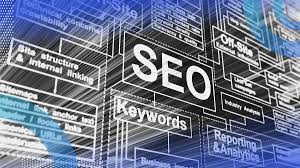
So, is seo dead? Absolutely not. It has simply evolved into something more demanding and more rewarding at the same time. The days of easy rankings are gone, but the opportunity for long-term visibility is still very real.