Baby hairs sit quietly along the hairline, but they have a powerful influence on how a hairstyle looks and feels. These fine, delicate strands frame the face, soften harsh lines, and often determine whether a style appears effortless or unfinished. While many people struggle with them, understanding how they behave can completely change your relationship with your hair.
Every hairline is different. Some people have soft wisps that naturally curl, while others notice short strands that refuse to blend in with the rest of their hair. Weather, products, and daily habits affect these strands more than any other part of the head, which is why treating them the same way as thicker hair often leads to frustration. When cared for properly, however, they stop feeling like a problem and start becoming a feature.
What These Fine Hairline Strands Really Are
These baby hairs grow along the front and sides of the scalp, especially near the temples and forehead. In many cases, they are completely natural and not a sign of damage at all. Genetics play a major role, but they can also appear as new growth after shedding or as a result of previous tension from tight styles.
Because these strands are thinner and have a shorter growth cycle, they usually don’t grow as long as the rest of the hair. That difference in texture and length explains why they often stand out. Rather than trying to force them to behave like longer hair, it helps to accept that they have their own pattern and needs.
A healthy hairline can elevate even the simplest hairstyle. When the edges look full and cared for, the entire head of hair appears healthier. On the flip side, thinning or breakage around the hairline often points to stress, overstyling, or neglected scalp care. Paying attention to these early signs can prevent bigger issues later.
Cultural Influence and Modern Beauty Trends
For decades, hairline styling has held deep cultural meaning, particularly in Black and Latina communities. Carefully shaped edges have long been a form of creativity and pride, passed down through generations. What was once misunderstood or dismissed is now widely celebrated across the beauty industry.
Today, fashion shows, social media, and editorial shoots embrace both sleek and natural hairlines. Some styles highlight soft curls around the forehead, while others focus on subtle definition rather than sharp control. This shift reflects a broader movement toward authenticity, where individuality is valued more than perfection.
Why Hairline Hair Is So Fragile
The follicles around the hairline are more sensitive than those on the crown of the head. They react quickly to friction, hormonal changes, and environmental stress. Because the strands are finer, they lose moisture faster and break more easily if handled roughly.
Their growth cycle is also shorter, which means patience is essential. Improvements don’t happen overnight, but gentle, consistent care can make a visible difference over time. When moisture is maintained and tension is reduced, the hairline gradually appears fuller and stronger.
Styling Myths That Do More Harm Than Good
One of the most common mistakes is trying to force a perfectly slick look using excessive brushing and heavy gels. While this might look neat at first, constant tension weakens the hair and can lead to thinning over time. Another misconception is that these strands should be removed altogether. Shaving or cutting them often creates a harsher appearance and disrupts the natural balance of the hairline.
There’s also a belief that short edges automatically mean unhealthy hair. In reality, many people are born with naturally fine hair around the forehead. Knowing the difference between breakage and natural growth helps avoid unnecessary treatments and unrealistic expectations.
Caring for the Hairline Without Stressing It
Moisture is the foundation of healthy hairline care. Lightweight, water-based products keep fine strands flexible without weighing them down. Applying products gently with fingers instead of brushes reduces unnecessary pulling and friction.
Heat styling requires extra caution. Flat irons and blow dryers can weaken fine strands quickly if used too often or at high temperatures. Lower heat settings and protective products help preserve strength while still allowing for styling flexibility.
Scalp massage is another simple but effective habit. Gentle movement increases circulation to the follicles, encouraging healthier growth. When paired with proper hydration and balanced nutrition, this practice supports long-term improvement.
Embracing Natural Hairline Styling
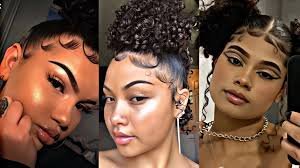
Beauty trends today favor softness over stiffness. Allowing hairline strands to move naturally creates a relaxed, modern look and reduces daily stress on the hair. This approach not only looks effortless but also supports better hair health.
For those who prefer a more polished appearance, definition doesn’t have to mean damage. Small amounts of lightweight styling cream, applied with fingertips, offer control without creating tension. The goal is to guide the hair, not force it.
Editorial styling has influenced everyday looks as well. Models often wear gently shaped edges that complement facial features rather than overpower them. This reinforces the idea that hair doesn’t need to be perfect to be beautiful.
How Hairline Health Reflects Overall Scalp Care
The condition of the hairline often mirrors what’s happening across the scalp. Excess shedding, dryness, or thinning can signal stress, nutritional gaps, or harsh routines. Addressing these issues holistically leads to better results everywhere, not just at the edges.
Choosing the Right Products for Fine Strands
When it comes to product use, restraint matters. Heavy waxes and alcohol-based formulas may provide hold but often leave baby hairs dry and brittle. Breathable, nourishing products allow movement while maintaining moisture.
Ingredients like aloe vera, glycerin, and light natural oils support hydration without buildup. Sticking with a consistent routine usually delivers better results than frequently switching products in search of quick fixes.
Confidence, Choice, and Long-Term Results
How you feel about your baby hairs plays a huge role in how you style it. Accepting these strands as part of your natural look reduces the urge to overwork them. With respectful care, styling becomes easier and more enjoyable.
Some days call for sleek definition, while others suit a softer, untouched look. Healthy edges give you the freedom to choose without fear of damage. Over time, gentle habits lead to less breakage, improved density, and a more balanced hairline.
Trends will continue to change, but one thing stays the same: healthy hair always looks good. With the right understanding and care, baby hairs stop feeling like a challenge and start becoming a subtle detail that enhances personal style with confidence and ease.
Conclusion
In the end, baby hairs are not something to fight against or hide. They are a natural part of the hairline that add softness, character, and individuality to every hairstyle. When treated with patience and gentle care, these fine strands become easier to manage and healthier over time. Instead of chasing quick fixes or harsh styling methods, focusing on moisture, low tension, and consistency delivers lasting results. By understanding how these delicate hairs grow and respond to daily habits, you create a stronger foundation for overall hair health. Embracing them with confidence allows your personal style to feel more natural, balanced, and effortlessly polished.