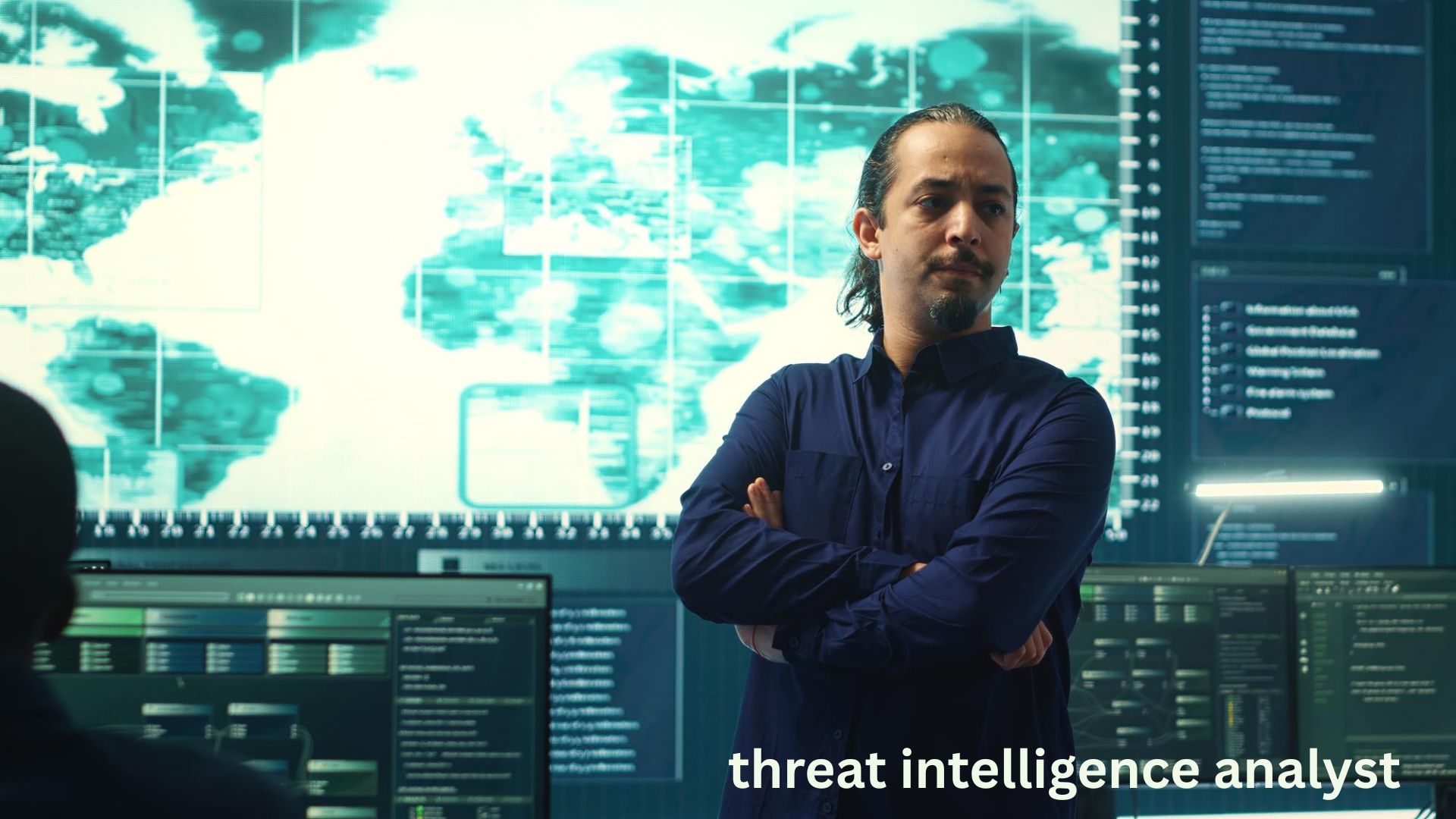
Becoming a threat intelligence analyst offers a brilliant opportunity to safeguard the digital frontier while engaging in complex problem-solving that evolves every single day. As organizations face increasingly sophisticated cyberattacks, these professionals provide the critical insights needed to predict and neutralize malicious activities before they cause catastrophic financial or reputational damage. By analyzing vast amounts of data from the surface and dark web, these specialists identify patterns that others miss, turning raw information into actionable defense strategies. This role is not just about technical skill; it is about understanding the human psychology and geopolitical motivations behind modern digital warfare to stay one step ahead of global adversaries.
The Growing Need for Predictive Cyber Defense
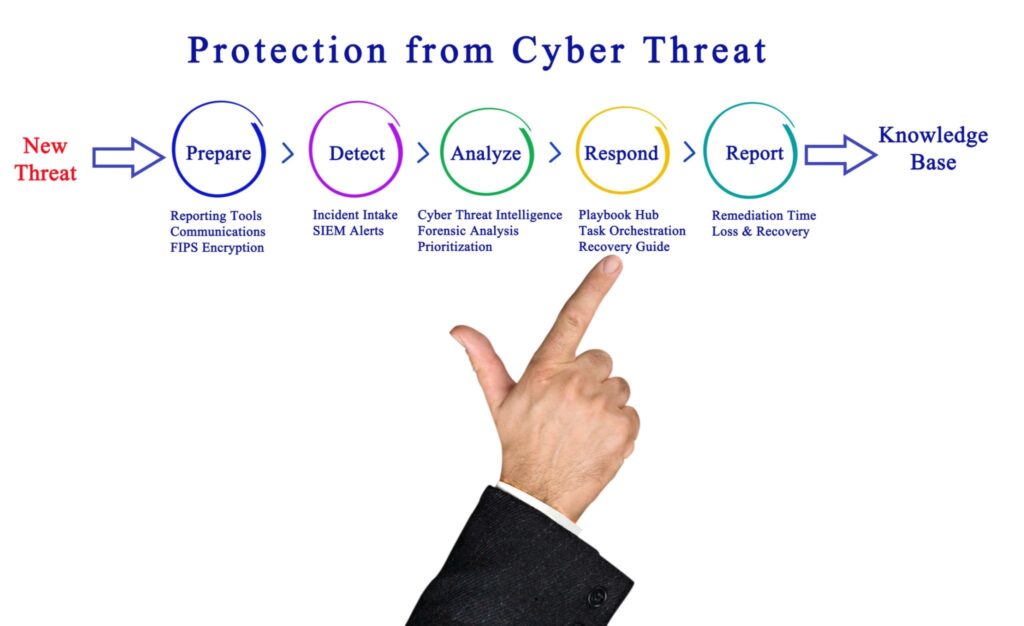
Modern cybersecurity has shifted from a reactive stance to a proactive one, where understanding the enemy is just as important as building the wall. Businesses no longer wait for a breach to happen before taking action; instead, they seek to understand the techniques and procedures that hackers use. This shift has created a massive demand for experts who can interpret technical indicators and transform them into strategic business intelligence.
Getty Images
Translating Complex Data into Strategic Assets
The primary goal of digital defense research is to take massive feeds of technical data and distill them into something a CEO or a Board of Directors can understand. It is not enough to know that a specific piece of malware is circulating; a researcher must explain why it matters to the specific organization. This process requires a unique blend of technical acumen and high-level communication skills.
Understanding the Landscape of Modern Cyber Adversaries
Threat actors range from lone-wolf hackers to state-sponsored groups with nearly unlimited resources. Each of these entities has a specific motivation, whether it is financial gain, political espionage, or simple disruption. Professionals in this field spend their time categorizing these groups, documenting their preferred tools, and predicting their next move based on historical behavior and current global events.
The Role of a Threat Intelligence Analyst in Security Operations
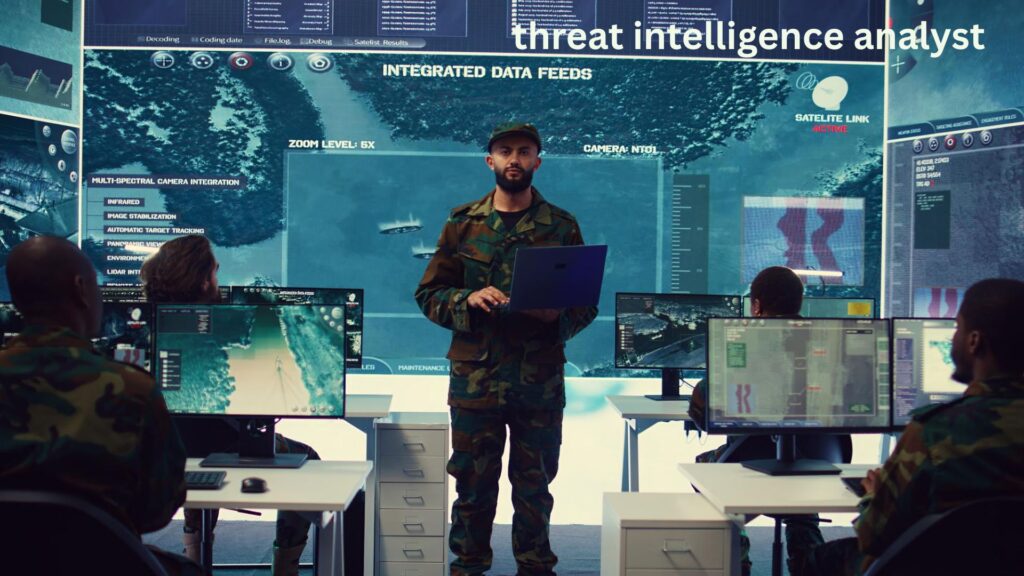
Integrating deep research into the daily operations of a security team is what makes a threat intelligence analyst so vital to the modern enterprise. They act as the “scouts” for the digital army, identifying where the next attack is likely to come from so that the engineers and incident responders can prepare. This collaborative effort ensures that the entire security stack is optimized against real-world risks.
Monitoring the Dark Web for Emerging Risks
A significant portion of investigative work happens in the hidden corners of the internet where stolen data is traded and new exploits are discussed. Monitoring these forums allows researchers to find leaked credentials or early warnings of planned attacks against specific industries. This early warning system is often the difference between a minor incident and a total system compromise for a large corporation.
Utilizing Advanced Tools for Pattern Recognition
Sophisticated software platforms allow researchers to visualize connections between seemingly unrelated digital events. By mapping out infrastructure like IP addresses and domain registrations, they can uncover entire networks of malicious activity. These tools use machine learning to filter out the noise, allowing the human expert to focus on the most high-risk indicators that require immediate attention.
Developing Actionable Reports for Executive Leadership
Writing is a core part of the job, as findings must be documented in a way that drives action. These reports often detail the specific vulnerabilities that attackers are targeting and provide clear recommendations for mitigation. A well-written assessment can lead to budget increases for critical security projects or changes in company policy that significantly reduce the overall attack surface.
Aligning technical vulnerabilities with organizational risk management.
Cybersecurity is no longer just a technical issue; it is a fundamental business risk that impacts the bottom line. Experts in this field help bridge the gap by explaining how digital threats translate into potential revenue loss or legal liability. This perspective helps organizations prioritize their investments based on the actual likelihood and impact of various cyber scenarios.
Navigating the Geopolitical Realities of Digital Warfare
Many modern cyberattacks are influenced by what is happening in the physical world, such as trade wars or international conflicts. Researchers must stay informed about global news to understand why certain sectors might suddenly be targeted by specific nations. This context adds a layer of depth to the technical analysis, making the defensive strategies much more robust and timely.
The Importance of Indicators of Compromise
In the world of digital forensics, certain traces are left behind after an intruder enters a system. These markers, known as indicators of compromise, are shared across the security community to help everyone defend against the same threat. Analysts spend time validating these markers to ensure they are accurate and haven’t been falsified by clever attackers trying to mislead them.
Cultivating a Mindset of Constant Curiosity
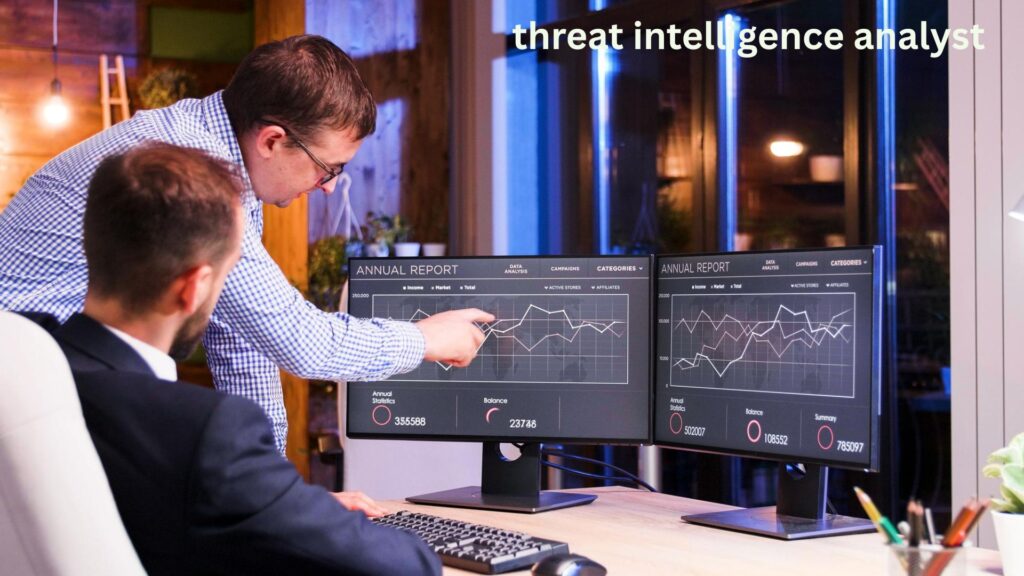
Success in this field requires a natural desire to dig deeper and ask why things are happening the way they are. A successful researcher never takes information at face value and is always looking for the hidden connection. This curiosity leads to the discovery of “zero-day” vulnerabilities and other novel attack methods that haven’t been documented by the wider security community.
Collaborative Defense Through Information Sharing
No organization can defend itself in a vacuum, which is why sharing intelligence with peers is so important. Various industry groups allow companies to trade information about the threats they are seeing in real-time. This collective defense strategy makes it much harder for attackers to use the same tactics against multiple targets, as the defense spreads faster than the attack.
Mastering the Technical Skills of Malware Analysis
While much of the work is strategic, a strong foundation in how software is exploited is essential. Understanding the mechanics of how a virus interacts with an operating system allows a researcher to predict what an attacker might do once they gain access. This technical depth ensures that the resulting intelligence is grounded in reality and provides practical defensive value.
Enhancing Incident Response with Contextual Clarity
When a breach occurs, the response team needs to know exactly what they are dealing with as quickly as possible. Intelligence experts provide this context, identifying the likely culprit and their known methods of operation. This information allows responders to skip the guesswork and go straight to the infected systems, significantly reducing the time it takes to contain the threat.
The Ethics and Legalities of Digital Investigations
Working in the shadows of the internet requires a strict adherence to ethical guidelines and legal frameworks. Researchers must ensure that their methods for gathering information do not violate privacy laws or international regulations. Maintaining integrity is crucial, as the intelligence provided must be trustworthy and defensible in a court of law if an investigation leads to prosecution.
Building a Resilient Infrastructure Through Intelligence
Every piece of data gathered should eventually lead to a more resilient network. By understanding how attackers get in, engineers can close those gaps and implement better authentication methods. This continuous loop of feedback between intelligence and engineering is what creates a truly mature security posture that can withstand the test of time and evolving threats.
Career Longevity in a High-Growth Industry
The cybersecurity market is one of the few sectors where demand consistently outstrips supply, offering incredible job security. As more of the world’s economy moves online, the need for people who can interpret digital threats will only increase. This career path offers not only high salaries but also the chance to work at the cutting edge of modern technological development.
Training and Certification for Aspiring Specialists
For those looking to enter the field, there are many paths to success, ranging from university degrees to specialized industry certifications. These programs focus on the “diamond model” of intrusion analysis and other frameworks that help structure the research process. Continuous education is a requirement, as the tactics used by the “bad guys” change almost every month.
The Future of Artificial Intelligence in Intelligence Gathering
Machine learning is playing an increasingly large role in how data is processed, but it will never fully replace the human element. AI can find the patterns, but only a person can understand the “why” and the strategic implications. The future of the role involves working alongside automated systems to handle the bulk of the data processing while focusing on high-level decision-making.
Balancing Work-Life Harmony in a High-Stakes Field
The nature of the job can be intense, as threats don’t stick to a nine-to-five schedule. However, many organizations offer flexible working arrangements and remote options to prevent burnout. Finding a balance is key to staying sharp, as a rested mind is much better at spotting the subtle anomalies that indicate a sophisticated cyberattack is underway.
Impacting the World Through Digital Safety
Ultimately, the work done by these professionals makes the internet a safer place for everyone. By protecting the systems that handle our banking, healthcare, and communications, they allow society to function without the constant fear of digital disruption. It is a career that offers a deep sense of purpose, knowing that your daily efforts are preventing harm and protecting people’s lives.
Final Thoughts on a Dynamic Career Path
In conclusion, choosing a path in this sector is a decision that leads to a lifetime of learning and impactful work. The challenges are significant, but the rewards—both personal and professional—are unparalleled in the tech industry. As digital threats continue to grow in complexity, the role of the person who can interpret and neutralize them will remain the most critical piece of the global security puzzle.
YOU MAY LIKE: Build vs Buy Software: 10 Key Factors