


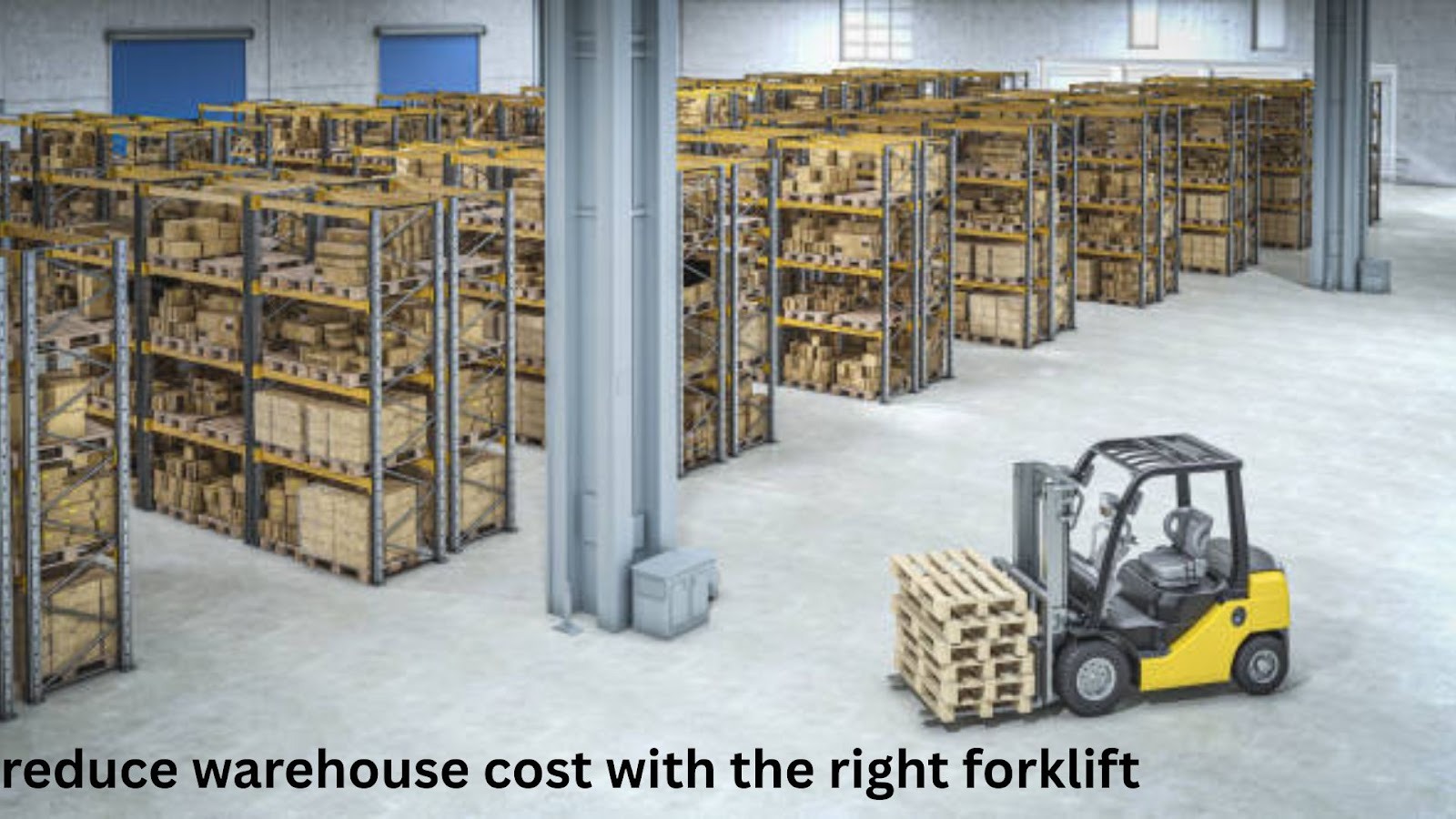
Reduce warehouse cost with the right forklift is not just a catchy phrase—it is a practical strategy that can transform operational efficiency, increase productivity, and significantly improve profit margins. Warehouses operate on tight budgets, and equipment decisions directly impact long-term expenses. Choosing the proper lift truck affects fuel consumption, maintenance requirements, labor productivity, safety performance, and even space utilization. When selected strategically, the right material handling solution becomes a cost-saving asset rather than an operational burden.
Warehousing today is more competitive than ever. Rising labor costs, energy prices, and supply chain complexities demand smarter decisions. One of the most overlooked cost drivers is forklift selection. Businesses often focus only on purchase price, ignoring lifecycle expenses that can quietly drain profits over time.
The Hidden Costs of Poor Equipment Selection
Many warehouse managers underestimate how much the wrong lift truck can increase overhead. A forklift that is too large wastes fuel and struggles in tight aisles. One that is too small may require more trips to move the same load, reducing efficiency. Mismatched equipment leads to higher wear and tear, more breakdowns, and unexpected downtime.
Operational downtime is particularly expensive. When a lift truck is out of service, workflows slow down, shipments are delayed, and labor hours are wasted. Over time, these small inefficiencies compound into major financial losses. That is why companies looking to reduce warehouse cost with the right forklift must consider total cost of ownership instead of upfront price alone.
Maintenance expenses also vary widely depending on equipment type. Internal combustion forklifts often require more frequent servicing compared to electric models. Poorly chosen machines may demand costly part replacements, especially if they operate outside their intended load capacity.
Understanding Warehouse Requirements Before Investing
Every warehouse operates differently. Some facilities handle heavy pallets daily, while others focus on lightweight goods with high turnover. A clear operational assessment helps determine the correct lift capacity, mast height, turning radius, and power source.
Ceiling height and aisle width are critical considerations. Narrow aisle forklifts allow businesses to install higher racking systems, increasing vertical storage. More storage capacity means better space utilization, which reduces the need for facility expansion. Saving on rent or construction costs can dramatically improve overall profitability.
Load characteristics also matter. Fragile goods require precise handling, while bulky materials demand stronger lifting capabilities. Selecting equipment that matches daily operations is a key step to reduce warehouse cost with the right forklift over the long term.
Electric vs. Internal Combustion: Which Saves More?
Power source selection plays a major role in operating expenses. Electric forklifts are gaining popularity due to lower emissions, reduced noise levels, and fewer moving parts. They often require less maintenance and provide consistent performance indoors.
On the other hand, internal combustion forklifts may still be suitable for outdoor yards or heavy-duty applications. However, fuel costs and higher maintenance frequency can increase long-term expenditure.
Battery technology has improved significantly in recent years. Lithium-ion batteries charge faster, last longer, and eliminate the need for battery swapping rooms. Though the initial investment may be higher, lifecycle savings often justify the expense.
Carefully analyzing usage hours, charging infrastructure, and maintenance capabilities will help businesses reduce warehouse cost with the right forklift rather than making a decision based purely on familiarity.
The Impact of Ergonomics and Operator Productivity
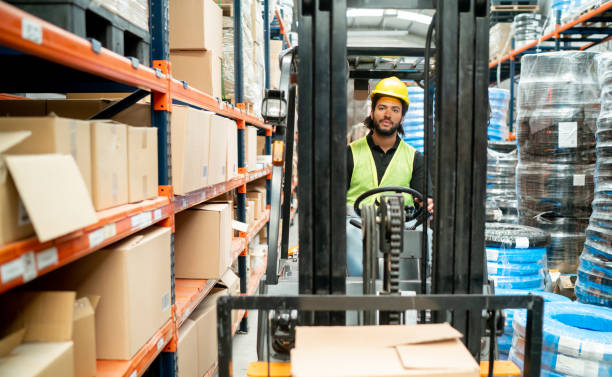
Equipment efficiency is not just mechanical—it also depends on human performance. Comfortable seating, intuitive controls, and smooth steering systems increase operator productivity. When workers can operate equipment with less fatigue, they complete tasks faster and make fewer errors.
Advanced features such as digital displays, safety sensors, and automated speed control enhance both safety and accuracy. Accidents and product damage are costly, not only financially but also in terms of reputation. Modern forklifts equipped with safety enhancements reduce these risks significantly.
Productivity gains may seem small at first glance. However, saving even a few minutes per shift per operator can translate into thousands of dollars annually. Companies that aim to reduce warehouse cost with the right forklift often see improvements not only in expenses but also in workflow speed.
Maintenance Planning and Lifecycle Cost Control
Preventive maintenance is far less expensive than emergency repairs. Choosing a forklift brand known for durability and accessible spare parts can minimize downtime. Availability of local service support also matters. Waiting days for a technician can disrupt operations significantly.
Tracking maintenance data provides insight into performance trends. Many modern forklifts include telematics systems that monitor usage, battery health, and service intervals. These technologies help managers make informed decisions and schedule servicing proactively.
Leasing options may also support cost management. Instead of purchasing equipment outright, some companies choose long-term rental agreements that include maintenance packages. This approach can provide predictable monthly expenses while reducing capital investment risk.
Businesses determined to reduce warehouse cost with the right forklift understand that lifecycle management is as important as the original purchase decision.
Warehouse Layout Optimization and Equipment Compatibility
The right forklift complements warehouse design. Narrow aisle models, reach trucks, and order pickers each serve specific functions. Matching equipment type to layout can improve storage density and movement efficiency.
For example, reach trucks are ideal for high racking systems, while pallet jacks are more suitable for ground-level transport. Multi-directional forklifts work well in facilities handling long materials such as pipes or timber.
Efficient layout planning reduces travel distance, saving both time and energy. Less travel means reduced battery usage or fuel consumption. Over months and years, these incremental savings significantly impact operating costs.
Strategic planning ensures that efforts to reduce warehouse cost with the right forklift align with broader facility design goals rather than functioning as an isolated equipment decision.
Training and Safety as Cost-Reduction Tools
Improper operation is one of the leading causes of forklift damage and workplace accidents. Investing in certified operator training lowers repair expenses and insurance premiums. Well-trained operators extend equipment lifespan by using machines correctly.
Safety measures also protect inventory from damage. Broken pallets, dropped loads, and collisions can result in substantial losses. A forklift suited to the environment reduces the likelihood of these incidents.
Insurance providers may offer lower premiums to warehouses with strong safety records. Over time, this contributes to significant financial benefits. Companies that actively reduce warehouse cost with the right forklift often combine equipment upgrades with enhanced training programs.
Energy Efficiency and Sustainability Benefits
Energy-efficient equipment not only lowers utility bills but also supports sustainability goals. Electric forklifts produce zero tailpipe emissions, improving indoor air quality and reducing ventilation requirements.
Many companies now prioritize environmentally responsible operations. Using energy-efficient material handling equipment can enhance brand reputation and attract environmentally conscious clients.
Reduced fuel dependency also protects businesses from fluctuating fuel prices. Stable operating expenses allow better financial forecasting and budgeting. Sustainability and cost savings often go hand in hand when companies make thoughtful equipment choices.
Long-Term Financial Strategy and Scalability
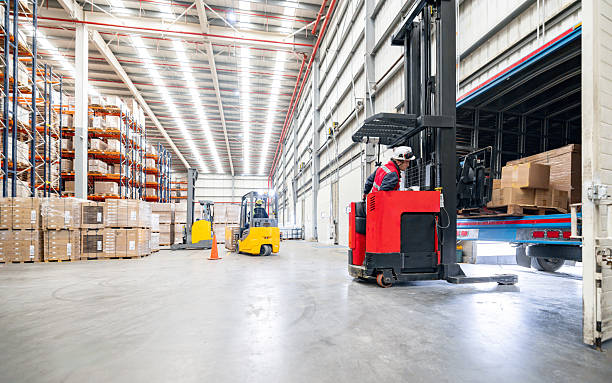
Warehouse needs evolve as businesses grow. Choosing scalable equipment ensures that operations remain efficient even as order volumes increase. Investing in versatile forklifts that can handle multiple tasks reduces the need for additional purchases.
Fleet standardization simplifies maintenance and training. When operators work with similar equipment models, learning curves shorten and spare parts management becomes easier.
A forward-looking strategy allows companies to reduce warehouse cost with the right forklift not just today but for years to come. Strategic investment prevents frequent equipment replacement and avoids unnecessary capital expenditure.
Making the Smart Investment Decision
Before making a purchase, conducting a detailed cost-benefit analysis is essential. Consider acquisition price, fuel or electricity costs, maintenance frequency, expected lifespan, resale value, and productivity impact.
Consulting with equipment specialists can provide valuable insights tailored to specific warehouse operations. Demonstration trials allow managers to evaluate performance under real working conditions.
A forklift is not just a tool; it is a long-term operational partner. When chosen wisely, it becomes a driver of efficiency rather than an ongoing expense.
Conclusion
Warehouses operate in a competitive environment where every operational detail influences profitability. Equipment decisions, especially forklift selection, directly affect fuel consumption, maintenance budgets, safety performance, and workforce productivity. Businesses that reduce warehouse cost with the right forklift take a comprehensive approach, considering total lifecycle expenses instead of focusing solely on initial price.
By analyzing warehouse layout, selecting appropriate power sources, investing in operator training, and planning for scalability, companies can unlock substantial savings. The right material handling equipment transforms daily operations, improves efficiency, and strengthens financial stability. Smart forklift selection is not merely an equipment upgrade—it is a strategic investment that delivers measurable, long-term returns.
