
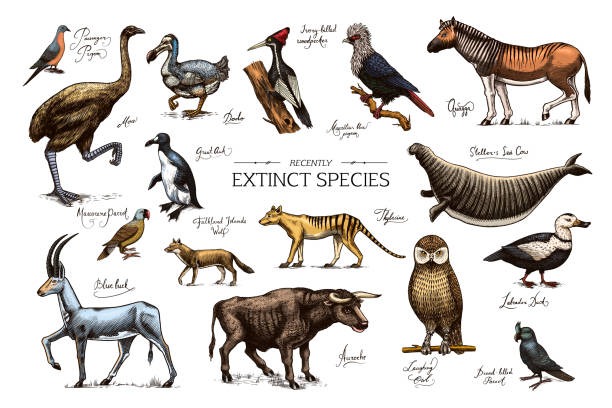
The history of life on Earth is a tale of consistent change. Over billions of years, species have emerged, adapted, thrived, and disappeared. Among the most fascinating and heartbreaking chapters of this story are those centered on extinct animals—creatures that once walked, swam, or flew across the planet but are now gone forever. From towering mammoths to tiny island birds, extinct animals remind us of nature’s power, fragility, and vulnerability to both natural forces and human influence.
What Are Extinct Animals?
Extinct animals are creatures that no longer exist anywhere on Earth. When the last individual of a species dies, extinction becomes permanent. Fossils, historical records, artwork, and genetic research are all tools that help scientists understand extinct animals and predict how they lived. While extinction is a natural process that has occurred throughout Earth’s history, the current rate of species loss is alarmingly high compared to the natural background rate.
Scientists reckon that over 99% of all species that ever existed are now extinct. This includes dinosaurs, prehistoric marine reptiles, ancient mammals, and countless plants and insects. Their disappearance shaped ecosystems and paved the way for new species, including humans.
Natural Causes of Extinction
Many animals vanished long before humans appeared. Natural causes of extinction include climate change, volcanic eruptions, asteroid impacts, and shifts in sea levels. One of the most famous extinction events occurred around 66 million years ago, when an asteroid impact led to the extinction of non-avian dinosaurs.
Ice ages also played a major role in creating extinct animals. As temperatures dropped and glaciers expanded, many species failed to adapt to the harsh conditions. Woolly mammoths, saber-toothed cats, and giant ground sloths are well-known extinct animals from the last Ice Age. When the climate warmed rapidly, their specialized adaptations became disadvantages, leading to their decline.
Human Impact and Extinct Animals
While natural forces caused many animals in the distant past, humans have become the dominant driver of extinction in recent history. Habitat destruction, overhunting, pollution, invasive species, and climate change have all contributed to the loss of biodiversity.
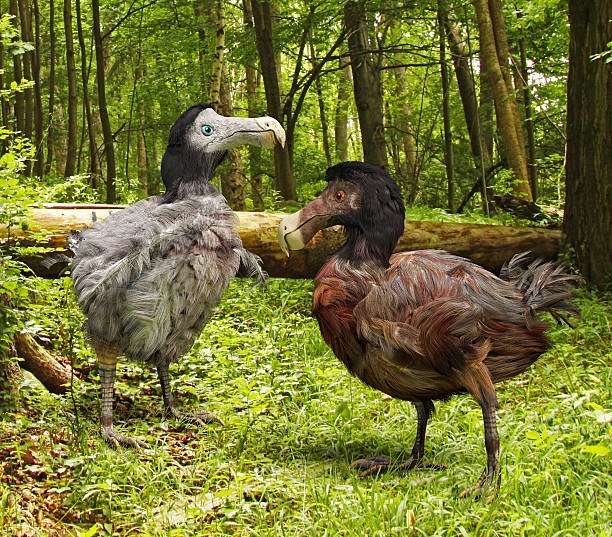
The dodo bird is one of the most iconic extinct animals caused by human activity. Native to Mauritius, the dodo had no natural predators and showed little fear of humans. When sailors arrived in the 1600s, they hunted the bird for food and introduced animals like rats and pigs that destroyed nests. Within decades, the dodo was gone.
Another tragic example among animals is the passenger pigeon. Once numbering in the billions across North America, this bird was driven to extinction by mass hunting and deforestation. The last passenger pigeon, named Martha, died in captivity in 1914.
Famous Extinct Animals of the Land
Some animals capture our imagination more than others. Dinosaurs remain the most famous extinct animals, inspiring movies, books, and scientific research. Tyrannosaurus rex, Triceratops, and Velociraptor were once dominant land animals, ruling ecosystems for millions of years.
Beyond dinosaurs, many large mammals became extinct relatively recently. The woolly mammoth roamed icy tundras, using its thick fur and curved tusks to survive cold climates. The saber-toothed tiger used its long canine teeth to hunt large prey. These animals likely faced a combination of climate shifts and human hunting pressure.
Extinct Animals of the Oceans
The oceans have also lost many remarkable species. Ancient seas were once dominated by massive marine reptiles like the ichthyosaur and mosasaur—both now extinct animals. These creatures were apex predators, comparable to modern sharks and whales.
More recent extinct species include the Steller’s sea cow, a giant herbivorous marine mammal discovered in the 18th century. Sadly, it was hunted to extinction within just 27 years of its discovery. This rapid loss highlights how quickly humans can turn living species into extinct animals.
Birds Among Extinct Animals
Birds are particularly vulnerable to extinction, especially island species. Limited habitats and lack of predators make them easy targets when humans arrive. Besides the dodo, other extinct species in this category include the great auk, a flightless seabird hunted for its feathers, meat, and eggs.
New Zealand alone has lost dozens of bird species, such as the moa, a giant flightless bird that once stood taller than a human. These extinct animals played important roles in their ecosystems, dispersing seeds and shaping vegetation.
Why Studying Extinct Animals Matters
Understanding extinct species is not just about the past—it’s about the future. By studying extinction patterns, scientists can identify warning signs that threaten living species today. Many animals currently alive face the same pressures that once created extinct: habitat loss, overexploitation, and rapid environmental change.

Fossils of extinct animals provide crucial data about evolution, adaptation, and resilience. They help researchers predict how modern species might respond to climate change and human expansion. In this way, extinct animals act as teachers, offering lessons we ignore at our own risk.
De-Extinction: Can Extinct Animals Return?
Advances in genetic science have sparked debates about bringing extinct animals back to life. This concept, known as de-extinction, involves using preserved DNA to recreate species such as the woolly mammoth or the passenger pigeon.
While the idea is fascinating, it raises ethical, ecological, and practical questions. Even if extinct species could be revived, their original habitats may no longer exist. Additionally, resources used for de-extinction might be better spent protecting endangered species before they become extinct species themselves.
Modern Species at Risk of Becoming Extinct Animals
Today, many species are dangerously close to extinction. Rhinos, tigers, orangutans, and countless amphibians could soon join the list of animals if conservation efforts fail. Scientists predict that Earth is going through a “sixth mass extinction,” driven largely by human activity.
Protecting biodiversity requires global cooperation, sustainable practices, and public awareness. If action is taken now, many species can be saved from becoming future extinct animals.
Cultural Impact of Extinct Animals
Extinct species have left a deep mark on human culture. They appear in myths, art, literature, and modern entertainment. Dinosaurs dominate popular media, while the dodo has become a symbol of irreversible loss.
These creatures also shape how people think about conservation. Seeing how easily animals can vanish forever creates emotional connections that inspire action. In this sense, extinct continue to influence the world long after their disappearance.
Conclusion: Remembering Extinct Animals
Extinct animals are more than names in textbooks or skeletons in museums. They represent lost ecosystems, broken food chains, and missed opportunities for coexistence. Each extinction narrows the diversity of life on Earth and weakens the natural systems we depend on.
By learning about extinct animals, humanity gains perspective on its own role within nature. The past cannot be changed, but the future is still unwritten. Whether today’s species survive or become tomorrow’s animals depends on the choices made now.